Look — we’ve all done it. You’re over your press-ons, or one’s already half-lifted, and the temptation to just peel the whole set off is real. But that ripping sound? That’s layers of your actual nail coming off with the glue. And then you’re stuck with thin, peeling nails for months.
Knowing how to remove KISS press-on nails the right way takes maybe fifteen extra minutes, and it saves you from weeks of nail damage. This guide covers three methods — acetone, no-acetone, and hot water — so you can pick whichever works best for your situation.
All three are safe, all doable at home, and none of them require any special tools you don’t already have.
Wearing a different brand? These same methods work no matter whose press-ons you’ve got on — here’s my how to remove Glamnetic nails guide if that’s the set you’re taking off.
Why You Should Never Just Pull Them Off#
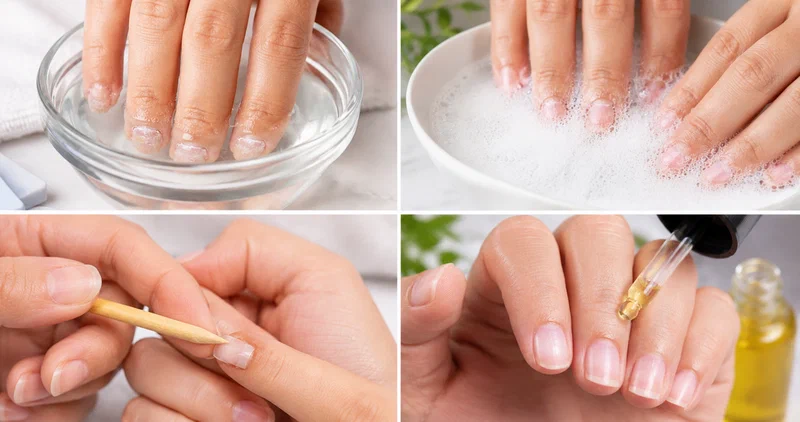
Quick science lesson (I promise it’s short). Press-on nail glue bonds to the top layer of your nail plate. When you rip a press-on off without loosening that bond first, you’re literally peeling off microscopic layers of your own nail. The result? White spots, thinning, peeling, and nails that feel papery and weak.
And if you want to reuse your press-ons — forget about it. Pulling them off bends and cracks the nail tip, making it useless for next time.
The whole point of soaking is to dissolve or soften the glue bond so the press-on slides off without taking anything with it. Takes a little patience but it’s worth it every single time.
If you want to explore more in this direction, my how to make your nails stronger at home naturally post has plenty to dig into.
What You’ll Need#
- Pure acetone — for the fastest soak-off method
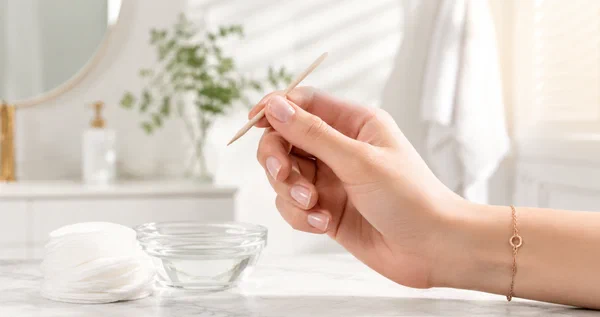
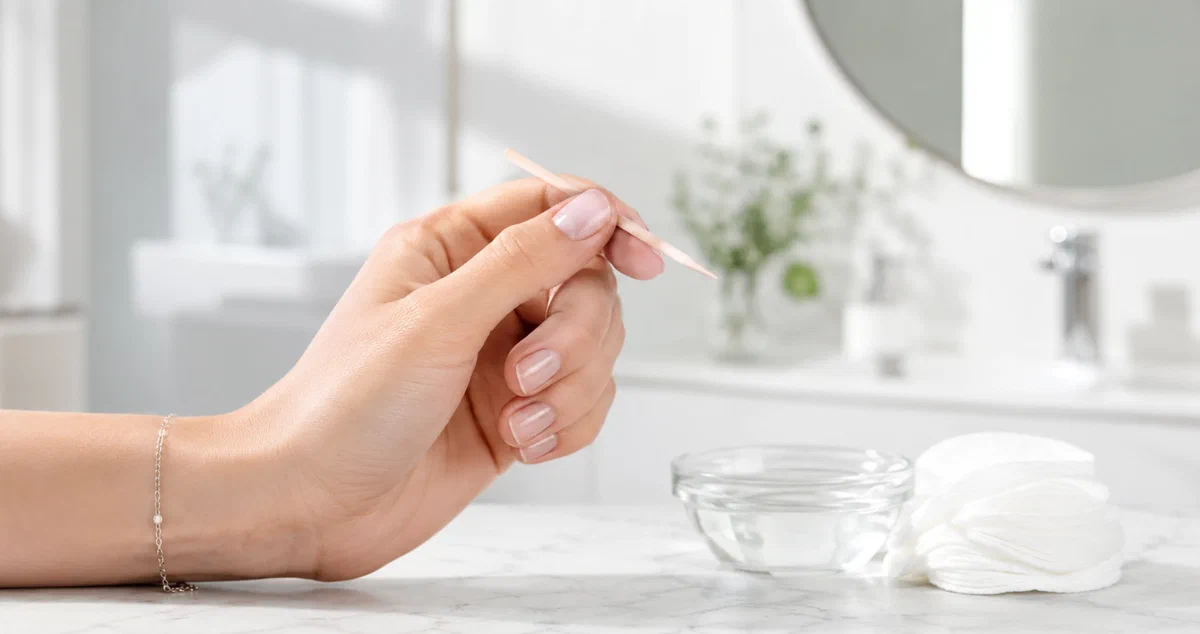
- Orange wood stick — to gently nudge lifted edges
- Fine nail buffer — to buff away leftover glue
- Cuticle oil — to rehydrate after removal
- Nail strengthener — to bounce back between sets
- A bowl + warm soapy water — for the no-acetone method
How to Remove KISS Press-On Nails — All Three Methods#
Method 1: Acetone Soak (Fastest)#
This is the quickest option and works best when you’ve used proper nail glue (not just adhesive tabs). Acetone dissolves most nail glues within 10-15 minutes. If you glued yours on, my how to take off press-on nails with glue guide breaks down four glue-specific removal methods in more detail.
What you need:
- Pure acetone (not regular nail polish remover — get the 100% stuff)
- A small bowl
- Cotton balls or pads
- An orange wood stick or cuticle pusher
- Cuticle oil for after
How to do it:
Pour enough acetone into a shallow bowl to cover your fingertips. Soak for 10-15 minutes. You’ll feel the nails start to loosen — they’ll wiggle slightly when you press on them. Once they’re lifting on their own, use an orange wood stick to gently push under the edge and slide them off. Never force it. If one’s still stuck, soak it longer.
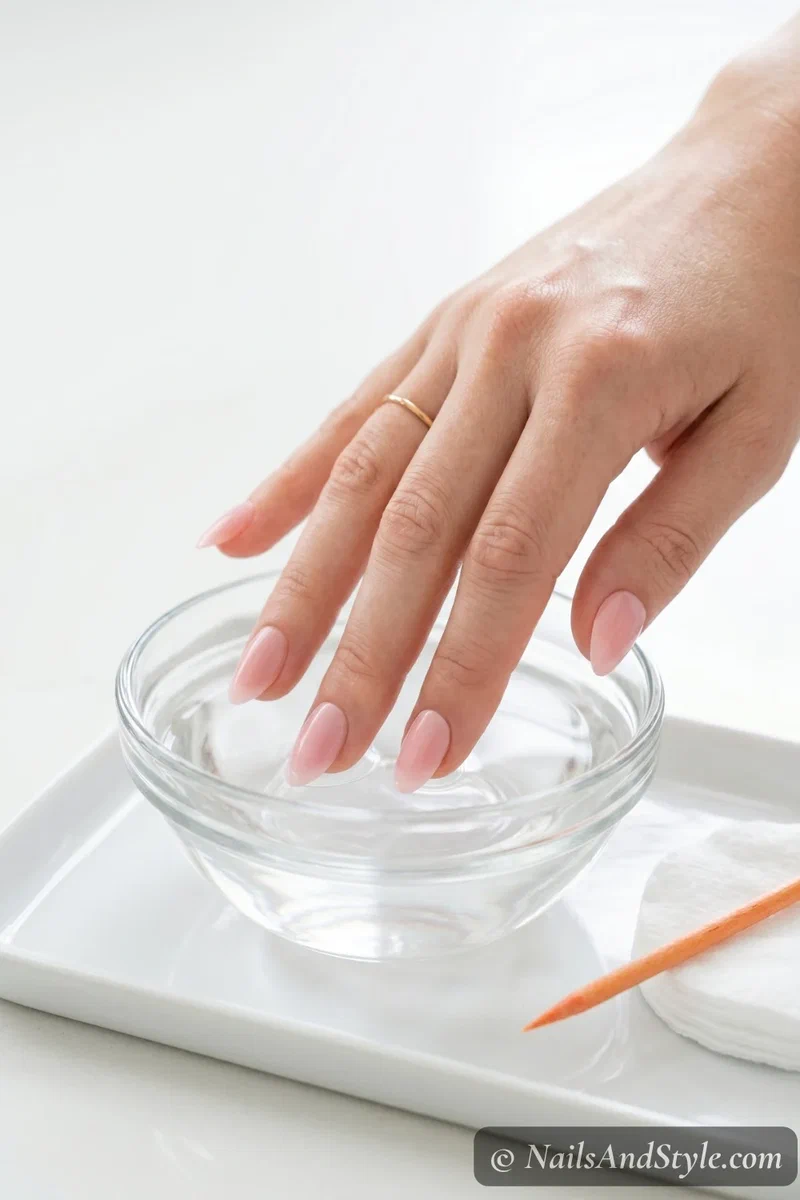
Pros: Fastest method, works on all glue types, very effective Cons: Drying on skin and nails (moisturize immediately after), strong smell, not great if you want to reuse the press-ons
One tip — if you don’t want to dunk your whole hand, soak cotton balls in acetone, press one against each nail, and wrap each finger in small foil squares. Same effect, less skin exposure.
Method 2: Warm Soapy Water (No Acetone)#
This one’s gentler and works surprisingly well — it just takes a bit longer. Great if you’re trying to avoid chemicals, have sensitive skin, or want to keep your press-ons intact for reuse.
What you need:
- A bowl of warm (not boiling) water
- A few drops of dish soap or liquid hand soap
- A few drops of oil (olive oil, coconut oil, or cuticle oil)
- An orange wood stick
- A towel
How to do it:
Fill a bowl with comfortably warm water — think warm bath temperature, not scalding. Add soap and a bit of oil. The soap helps break down the adhesive while the oil loosens the bond. Soak your nails for 15-20 minutes. Wiggle each nail gently every few minutes to check if it’s loosening.
Once they start lifting at the edges, slide your orange wood stick underneath from the side (never from the cuticle — that’s where damage happens) and gently work it off. Go slow.
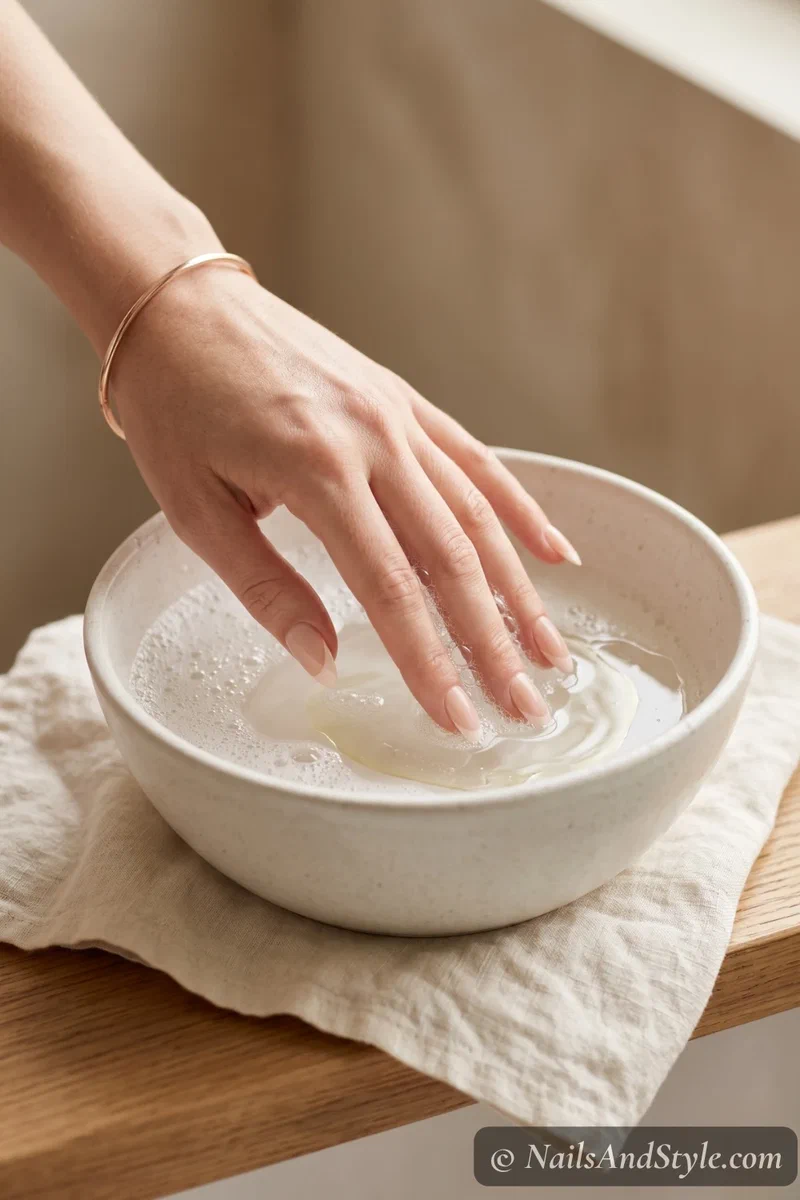
Pros: No chemicals, gentler on skin and nails, better for reusing press-ons Cons: Takes longer (15-20 minutes), might not work as well on very strong glue bonds
My how to get press on nails to stay on post is a great companion read if you’re loving this style.
Method 3: Hot Water Method#
This is basically a more intense version of the soapy water method, and honestly it’s my go-to for quick removal when I don’t have acetone around. The heat softens the glue faster than warm water alone.
What you need:
- A bowl of hot water (as hot as you can comfortably tolerate — don’t burn yourself)
- An orange wood stick
- Cuticle oil for after
How to do it:
Fill a bowl with hot tap water. Submerge your nails and let them soak for 10-15 minutes. The heat weakens the glue bond significantly. Check every few minutes by gently pressing on each nail — when it moves or rocks slightly, it’s ready. Slide your orange wood stick under the loosened edge and work it off gently.
Some people add a splash of oil to the water too, which helps. The oil gets between the loosened glue and your nail plate, making the slide-off easier.
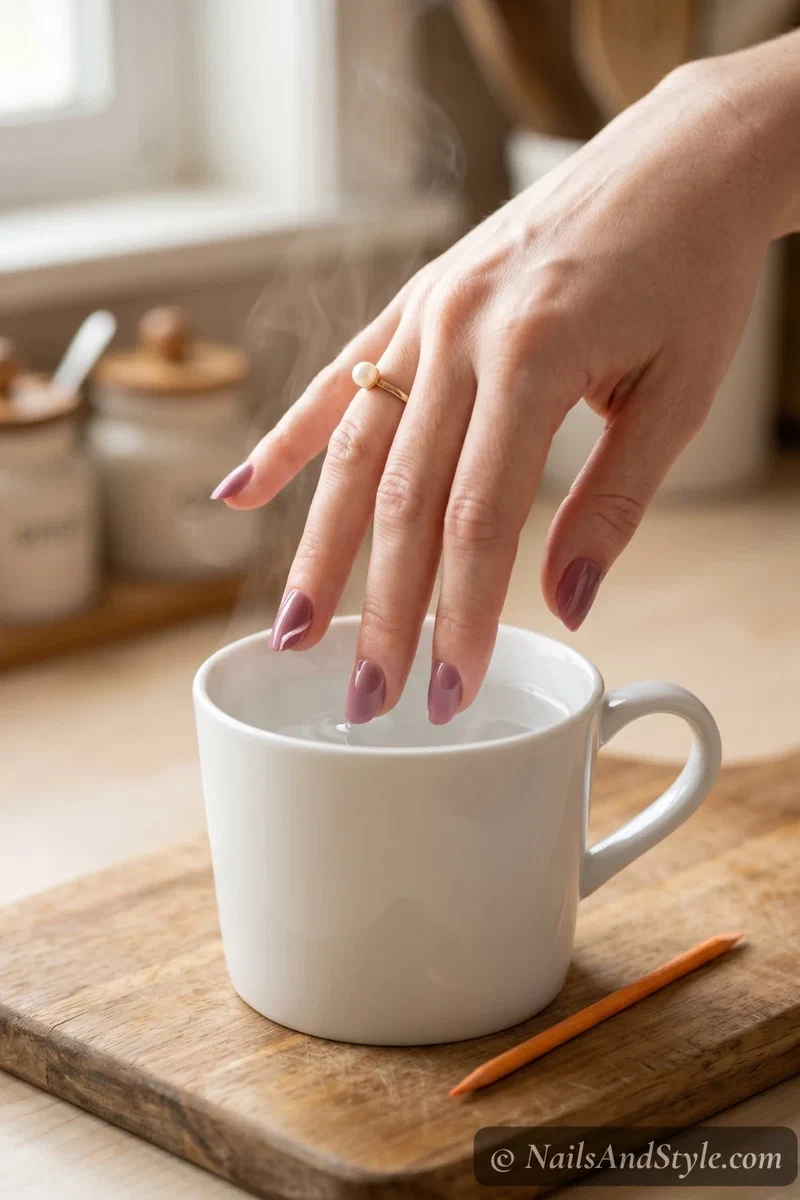
Pros: No chemicals needed, faster than warm soapy water, easy and accessible Cons: Water needs to stay hot (you might need to refresh it), still takes 10-15 minutes
Getting Rid of Leftover Glue#
Okay so your press-ons are off. Nice. But there’s probably some dried glue residue still stuck to your natural nails. Don’t pick at it — here’s how to deal with it properly.
For stubborn glue spots:
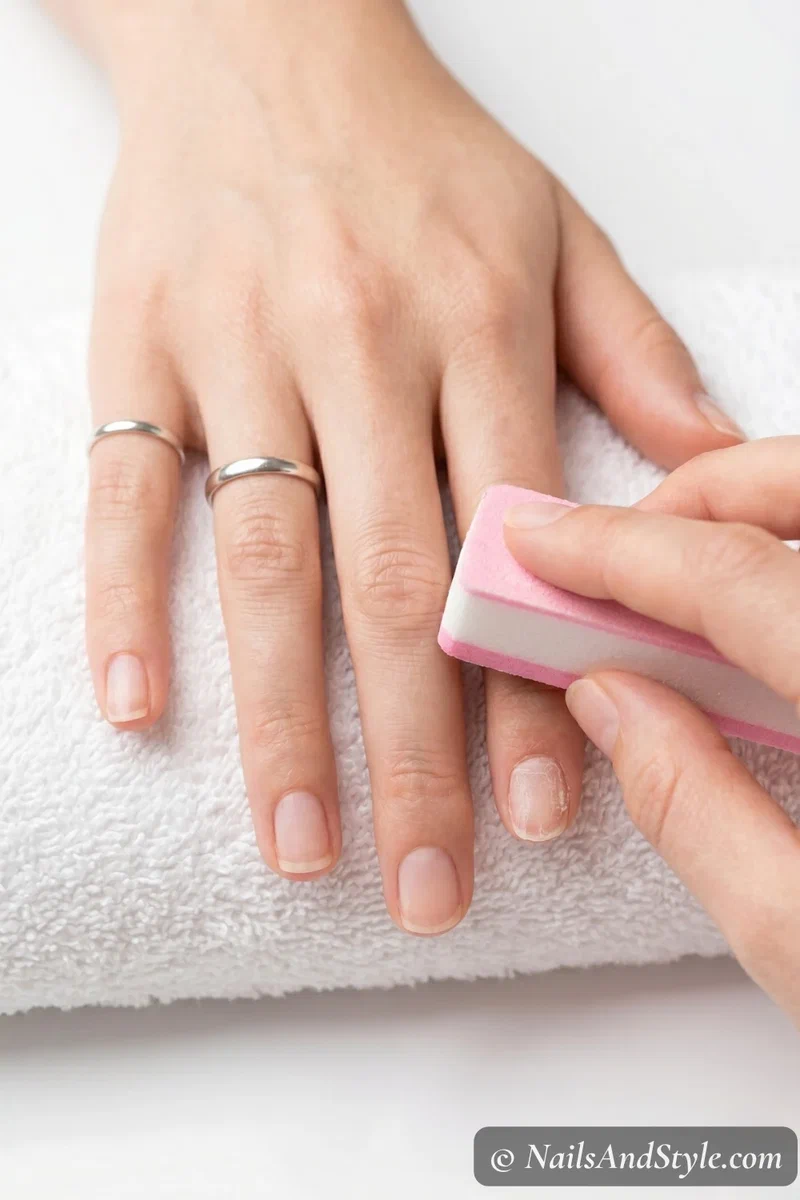
- Soak a cotton pad in acetone and hold it against the residue for 30-60 seconds. Then gently buff it away with a fine nail buffer.
For light residue:
- A few drops of cuticle oil rubbed into the nail, then gentle buffing with a soft buffer takes care of it. The oil helps soften remaining adhesive.
For adhesive tab residue:
- This is usually easier. Warm soapy water and rubbing the residue with your thumb often does the trick. It kind of rolls off.
Don’t over-buff. You’re just trying to smooth the surface, not file your nail down. A few gentle passes is enough.
For more ideas like this, check out my how to make press on nails look natural post — worth a scroll.
Caring for Your Nails After Removal#
Your nails just went through something — even gentle removal leaves them a little dehydrated, especially if you used acetone. Give them some love.
Right after removal:
- Wash hands with gentle soap to remove any remaining acetone or oil
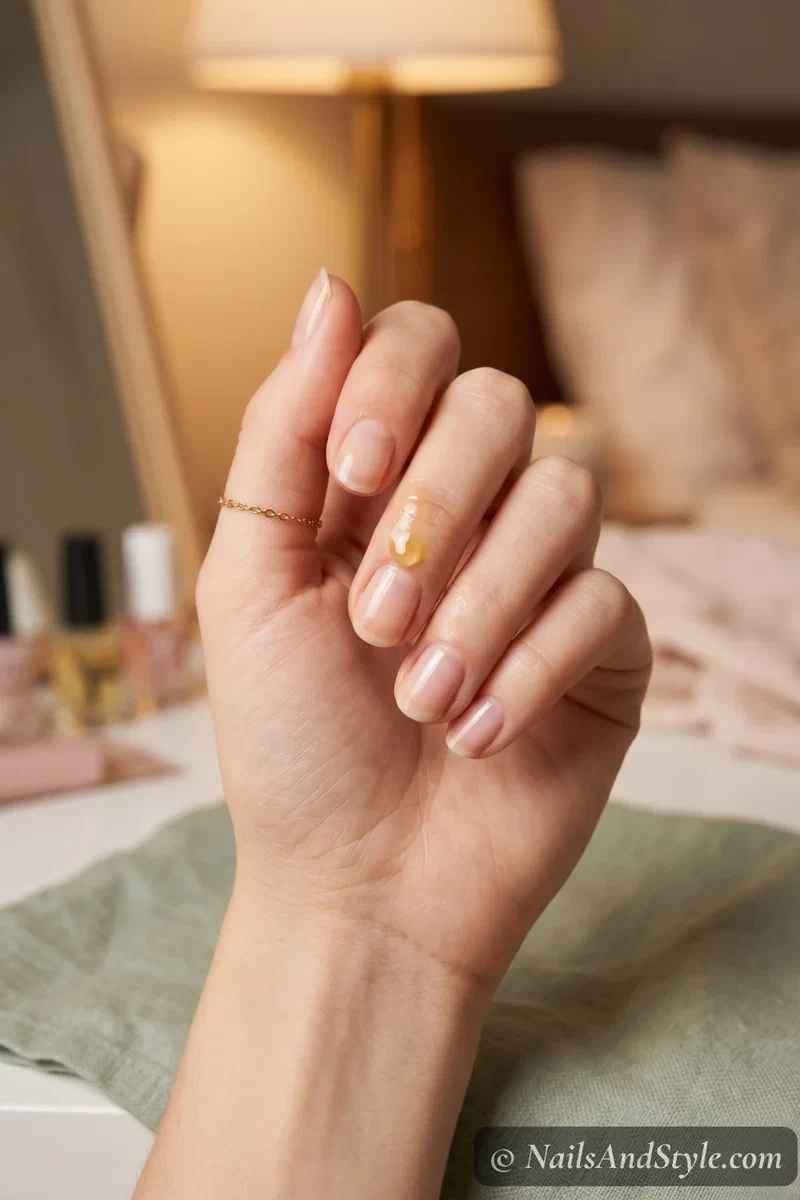
- Apply a thick layer of cuticle oil to every nail and massage it in
- Follow with a rich hand cream — really work it into the nail area
- If your nails feel dry or look white, that’s normal. The moisture comes back within a day
For the next few days:
- Keep nails short — weak nails break easier, so don’t give them the chance
- Apply cuticle oil morning and night
- Consider a clear nail strengthener as a base if you’re going to polish again soon
- Skip another press-on set for at least a few days to let your nails recover and breathe
Can You Reuse Your Press-Ons?#
Yes — if you removed them carefully. The gentler methods (warm water, hot water) keep the press-on shape intact, which means you can absolutely apply them again.
To prep them for reuse:
- Gently file off old glue residue from the back of each press-on
- Store them somewhere flat so they don’t bend (the original packaging works)
- When reapplying, treat them like new — full prep, fresh glue, the whole routine
If a press-on cracked or bent during removal, toss it. A damaged nail won’t sit flush and will lift almost immediately.
My how to remove acrylic nails at home post goes deeper on this whole vibe if you want to keep going.
Quick FAQ#
Which method is best for sensitive skin?#
The warm soapy water method is your safest bet. No chemicals, no strong smells, no drying effect. It takes a bit longer but your skin and cuticles will thank you. Adding a few drops of olive oil to the water makes it even gentler.
What if one nail won’t come off after soaking?#
Soak it longer. Seriously. If it’s been 15 minutes and one nail is still firmly attached, give it another 5-10 minutes rather than forcing it. You can also try dripping a bit of oil or acetone under the edge with a dropper to target the stubborn spot directly.
Is it bad to remove press-ons every week?#
If you’re removing them properly with soaking and gentle lifting — no, it’s fine. The damage comes from the removal technique, not the frequency. That said, giving your nails a bare day or two between sets lets them rehydrate and recover.
Final Thoughts#
Now you know how to remove KISS press-on nails three different ways — pick acetone when you’re in a rush, warm soapy water when you want to be gentle, or hot water for a solid middle ground. All of them beat the alternative, which is ripping them off and regretting it for the next six weeks.
The fifteen minutes of soaking feels annoying in the moment, I get it. But your nails grow slowly. Damage takes months to grow out. That little bit of patience protects months of healthy growth — and means your next set will look better too, because it’s going on a smooth, undamaged surface.
Keep an orange wood stick by your bathroom sink. You’ll use it more than you think.